Ask a group of Malaysian parents what worries them most about online school, and socialisation comes up almost every time. Will my child make friends? Will they learn teamwork? Will they end up isolated behind a screen? These are fair questions, and they deserve honest answers rather than reassurance. The short version is that online students can build strong social skills, but only when the school is designed for it. This article looks at how socialisation actually works online and how to tell a school that gets it right from one that does not.
Where the worry comes from
The fear is understandable. For generations, school has been the main place children meet peers, and many parents picture online learning as a lonely child staring at a laptop all day. That picture fits a poorly designed programme, but it does not fit a good one. It also overlooks a truth many parents know quietly: a crowded classroom is not automatically social. A shy child can feel just as alone in a hall of forty as at home. What matters is not the number of children in a room, but the quality of the interactions a school creates. A thoughtful
online homeschooling programme plans those interactions deliberately.
How friendships form online
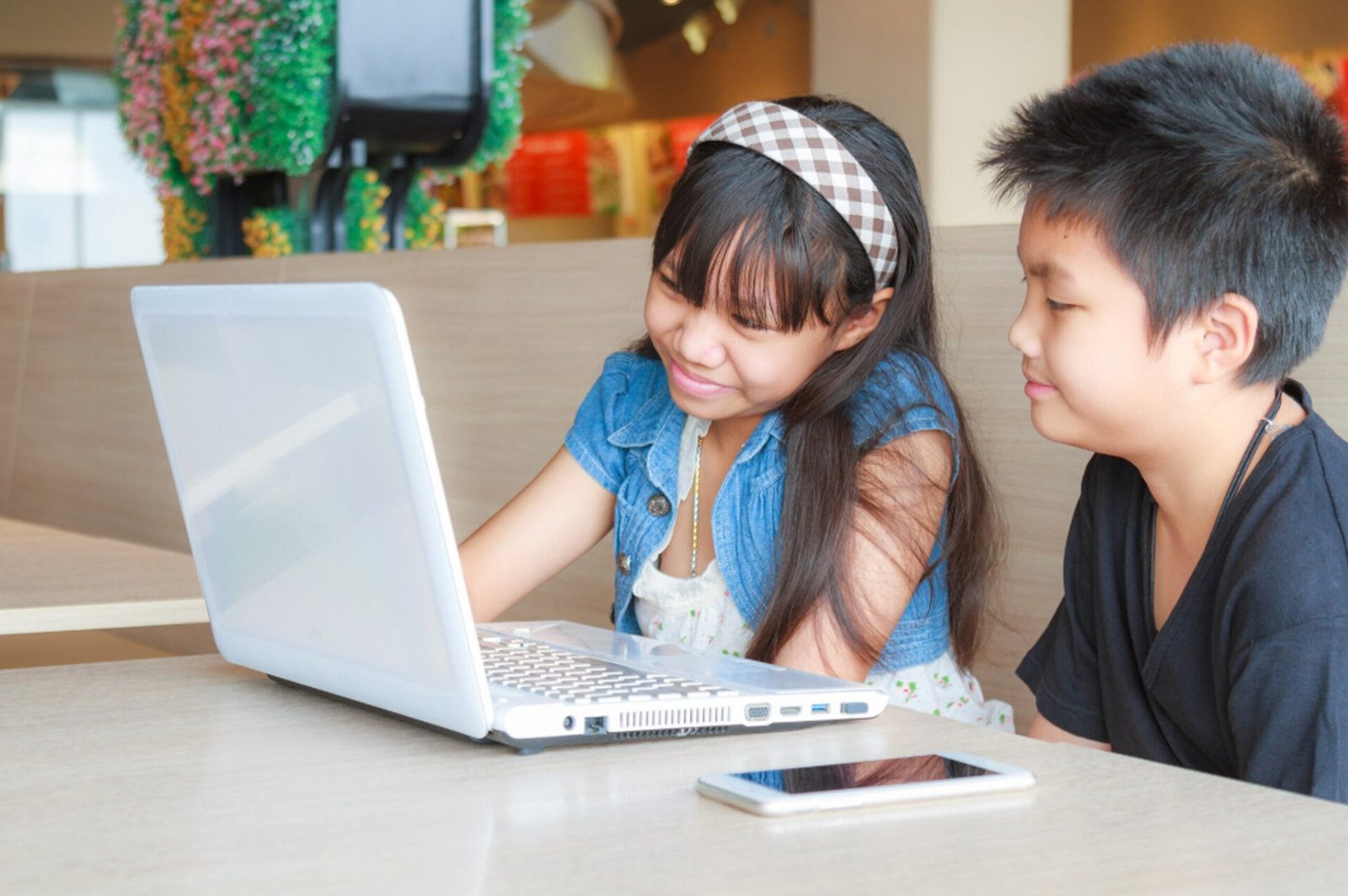
Online friendships form in more ways than parents expect. Live classes let students talk, debate and laugh together in real time. Group projects require them to divide tasks, disagree, compromise and present as a team. Clubs built around shared interests, from coding to creative writing, bring together children who might never have met in a single town. Many schools also run in-person meet-ups, excursions and events so learners shake hands, not just share screens. Over time these threads weave into real friendships, often across cities and even countries, which widens a child’s world rather than shrinking it. Parents are often surprised to hear their child talk warmly about a classmate in another state, a friendship that a single-campus school could never have created.
The social skills that actually matter
Socialisation is not only about having friends; it is about learning to work with others. Online learning, done well, builds exactly the skills employers and universities value: clear communication, listening, teamwork, and the confidence to speak up in a group. Because online discussions ask every student to contribute rather than hide at the back, quieter children often find their voice more easily than they would in a large physical class. When a school connects these skills to real academic work through the
upper secondary programme, students practise them every day without even noticing.
What good schools do differently
Not every online school takes socialisation seriously, so look closely. A strong programme keeps live classes small enough for real conversation, builds in regular group work, runs clubs and house activities, and organises in-person gatherings through the year. It also looks after emotional health with counselling and pastoral care, so a struggling child is noticed rather than lost. Ask any school you consider how it helps children make friends and what happens when a child seems withdrawn. Schools that answer clearly, like a well-run
international school in Kuala Lumpur usually have thought hard about belonging.
How parents can help
Parents play a large part in a child’s social life, online or offline. Keep up activities outside school such as sport, music, religious or community groups, since these give your child a steady circle beyond the classroom. Encourage them to join the clubs and events their school offers rather than only attending lessons. Arrange time with friends and cousins, and treat weekends as a chance to connect in person. When home and school work together, an online student can enjoy a social life that is every bit as rich as a campus child’s, sometimes more so. Families comparing options often find local insight helpful, such as the
Johor Bahru school page Small, consistent efforts at home matter more than any single grand gesture, and they signal to your child that friendships are worth making time for.
Frequently Asked Questions
Do online school students really make friends?
Yes. Through live classes, group projects, clubs and in-person events, online students build genuine friendships, often across different cities. The key is choosing a school that plans social interaction deliberately.
Will my child develop good social skills online?
They can, and often do. Online discussion asks every student to contribute, which helps quieter children gain confidence. Teamwork, communication and listening are built into well-designed programmes.
How do online schools handle shy or withdrawn children?
Good schools use small classes, pastoral care and counselling to notice and support children who struggle socially. Ask any school how it identifies and helps a withdrawn student before you enrol.
Can my child still join sport and community activities?
Absolutely, and they should. The flexible schedule of online learning often leaves more time for sport, arts and community groups, which strengthens a child’s social life outside school.
A fuller social life than you might expect
The idea that online students miss out socially is a myth that good schools have quietly disproved. When a programme plans for friendship, teamwork and belonging, and when parents keep up activities beyond the screen, children build warm, capable social lives. Judge a school by how deliberately it creates connection, not by whether learning happens at home. To see how one school approaches belonging in Malaysia, explore
Dreamtime Learning Asia.