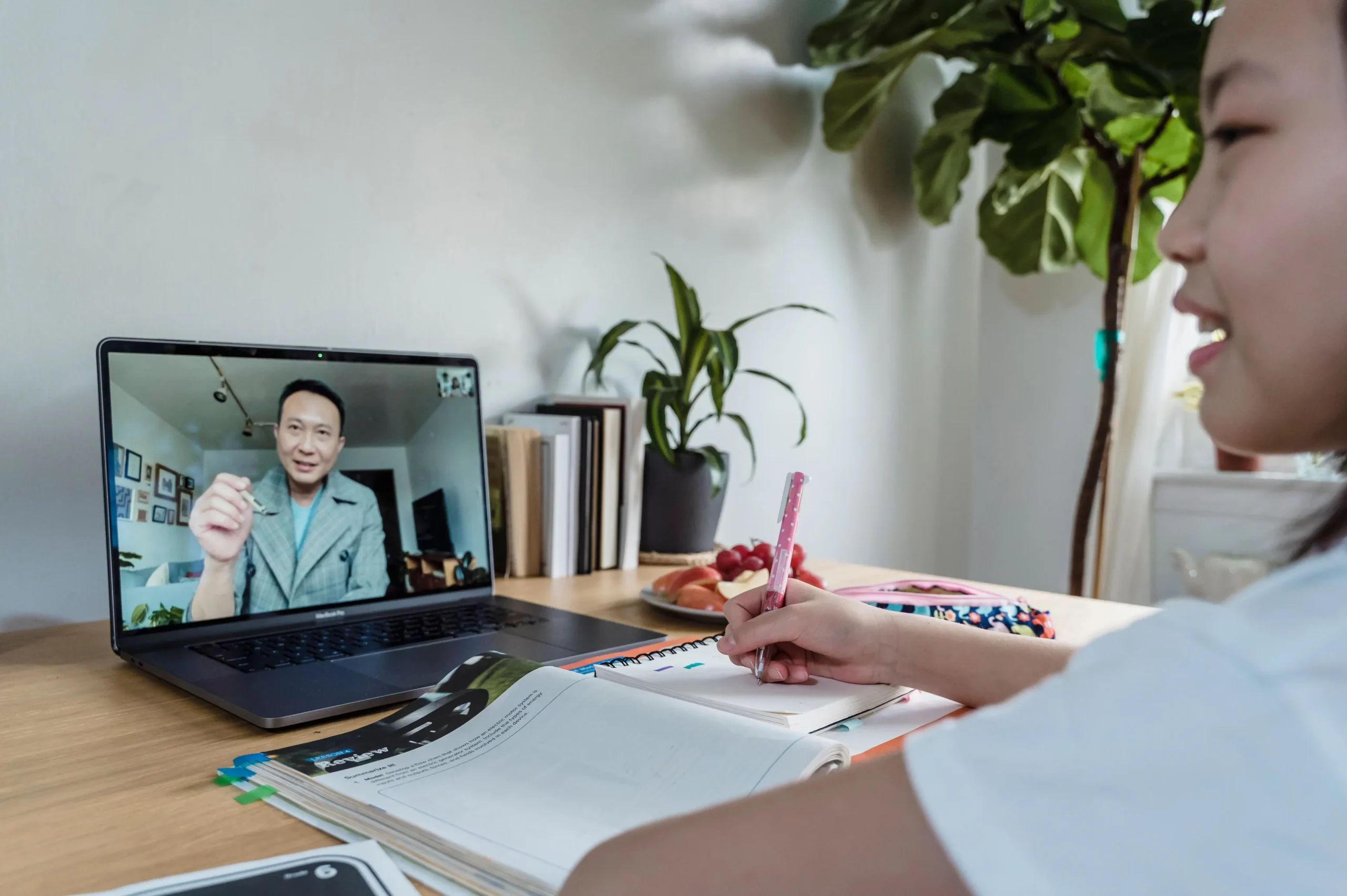
Filipino parents are asking harder questions about school than they did five years ago, and rightly so. Between suspended classes, long commutes across Metro Manila, and tuition that rises faster than income, the traditional model no longer suits every family. That is why enquiries about an online school in Philippines have climbed steadily among parents in Cebu, Davao and Quezon City alike. Before you commit, it helps to understand how the system works locally, because the wrong choice creates paperwork problems years later.
Why are parents looking beyond the traditional classroom?
The performance data is difficult to ignore. In the OECD Programme for International Student Assessment released in 2023, Filipino fifteen-year-olds averaged 355 points in mathematics against an OECD average of 472, and only 16 per cent reached the baseline level of proficiency. Parents who see a bright child drifting in a crowded classroom are not imagining the problem.
Three practical pressures reinforce that concern. Class suspensions from typhoons and extreme heat interrupt learning for weeks each year. Traffic strips hours from family time. And private school fees increasingly buy facilities rather than teaching quality.
A well-structured virtual school addresses all three. Learning continues through a storm, the commute disappears, and the money goes towards teachers.
Is homeschooling in Philippines legal?
Yes, and this is the point most guides explain badly. Homeschooling in Philippines operates under DepEd Order No. 001, s. 2022, which treats the Homeschooling Program as an Alternative Delivery Mode offered through DepEd-recognised public or private schools. Parents do not register independently. They enrol through an authorised provider, follow the K to 12 curriculum, and sit assessments such as the Philippine Educational Placement Test where transfer or validation is needed
International online schools sit outside that framework and offer a different qualification instead, usually Cambridge IGCSE and A Level. Neither route is wrong, but they lead to different destinations.
DepEd pathway or international pathway?
Weigh these points before choosing between homeschools in Philippines and an international provider:
- University plans. If your child will apply to universities abroad, Cambridge qualifications travel further. If the plan is a Philippine state university, the DepEd K to 12 route is simpler.
- Recognition. Confirm in writing which certificate your child receives and which body issues it.
- Teaching model. Ask whether lessons are live or pre-recorded. Recorded libraries are cheap to produce and easy to abandon.
- Class size. Small live batches force participation. Large ones recreate the problem you left.
- Parent workload. Some providers expect parents to teach. Structured homeschooling programmes expect parents only to supervise.
- Transfer risk. If you may return to a physical school, ask exactly how credits are validated.
Choosing a homeschooling academy in Philippines
Frequently asked questions
Can my child return to a regular Philippine school later? Usually yes. Learners typically validate through the Philippine Educational Placement Test or the receiving school’s own assessment. Confirm the process with both schools before you switch.
How many hours a day will my child study? Most structured programmes run a four to five hour live morning block, leaving afternoons for practice, sport or family responsibilities.
Will my child miss out socially? Live classes, group projects and community events keep learners connected, and free afternoons often widen a child’s social circle rather than shrink it.
What if we are an OFW family living overseas? International online schools follow the learner across borders. Check the residency conditions carefully, since the DepEd Homeschooling Program applies to families residing in the Philippines.
To explore a modern, research-backed, and innovation-driven learning system, visit: https://dreamtimelearning.my/