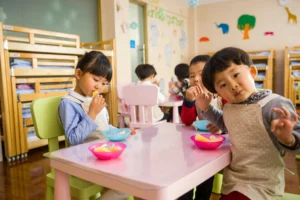
Education in Malaysia is evolving, and parents in 2026 are evaluating whether home school or traditional schooling offers better academic and personal outcomes. Both pathways can deliver strong results when structured properly. The key lies in understanding the advantages, challenges, and real-world experiences behind each option.
At Dreamtime Learning Malaysia, we guide families exploring flexible, structured alternatives. If you are comparing both models, this detailed breakdown will support informed decision-making.
What Is the Core Difference?
Traditional schools follow a fixed curriculum, structured timetable, and classroom-based teaching. In contrast, home-based learning allows parents to customise pace, method, and scheduling—often integrating digital platforms, interactive sessions, and academic mentoring.
10 Proven Benefits of Home School
1. Personalised Learning Pace
Students progress according to ability rather than classroom averages.
2. Flexible Scheduling
Travel, extracurricular activities, and rest can be planned without rigid attendance policies.
3. Stronger Parent Involvement
Parents closely monitor academic progress and emotional wellbeing.
4. Focused Academic Attention
One-on-one guidance improves subject mastery.
5. Reduced Peer Pressure
Learners often experience lower stress compared to competitive environments.
6. Custom Curriculum Integration
Families can combine international syllabi with skill-based modules.
7. Digital Skill Development
Students become independent learners using modern platforms.
8. Safe Learning Environment
Parents control the physical and social setting.
9. Cost Flexibility
Compared to private institutions, expenses can be adjusted based on chosen structure.
10. Academic Support Accessibility
Parents may supplement lessons with platforms like Mytutor for additional subject reinforcement.
Challenges Parents Should Consider
While flexible learning has advantages, careful planning is essential.
1. Time Commitment
Parents need to supervise and coordinate learning activities.
2. Social Interaction Concerns
Opportunities for peer engagement must be intentionally created through clubs or community programs.
3. Discipline and Structure
Without a structured framework, consistency may decline.
Traditional School: Key Strengths
Traditional schooling also provides measurable benefits:
- Built-in social ecosystem
- Standardised assessments
- Access to extracurricular facilities
- Teacher-led subject expertise
For families prioritising structured classroom exposure and institutional discipline, this model remains effective.
Real Parent Experiences
Parents transitioning to flexible education models often report:
- Improved child confidence
- Better academic focus
- Increased family bonding
- Reduced school-related anxiety
However, they also emphasise the importance of professional academic guidance, whether through structured online programs or certified Online Tutor sessions.
How to Decide What’s Right for Your Child?
Consider:
- Learning style (independent vs collaborative learner)
- Academic goals (local vs international progression)
- Budget and time availability
- Emotional wellbeing and personality
A structured consultation can help clarify direction.
FAQs Parents Are Mostly Searching
1. Is home school academically recognised in Malaysia?
Yes, when aligned with recognised international curricula or approved frameworks.
2. Will my child miss social development?
Social interaction can be developed through co-curricular activities, community groups, and structured programs.
3. Is traditional school better for discipline?
It depends on the child. Some thrive in structured environments, while others excel with personalised guidance.
4. Do families use Online Tuition even in traditional school?
Yes. Many students in both systems use Online Tuition to strengthen subject performance.
5. Can platforms like Mytutor support exam preparation?
Yes. Supplementary academic tools such as Mytutor are commonly used for targeted subject improvement.
6. Where can I explore structured flexible learning options?
Final Thoughts
Choosing between traditional schooling and home school is not about which is universally better—it is about what aligns with your child’s academic goals, learning style, and family priorities. With the right structure, guidance, and curriculum planning, both pathways can lead to strong academic outcomes in 2026.
If you are seeking a flexible yet academically structured approach in Malaysia, Dreamtime Learning provides a guided framework designed for modern learners.
To explore a modern, research-backed, and innovation-driven learning system, visit: https://dreamtimelearning.my/