Choosing the right education system is one of the most important decisions parents make. In Malaysia, families today are increasingly exploring alternatives beyond conventional classrooms. Among these, Montessori Education has gained strong attention for its child-led, holistic approach. But how does it truly compare with traditional schooling, and which option is better for your child’s long-term development?
Let’s explore both models in a clear, parent-friendly way.
Understanding Montessori Education
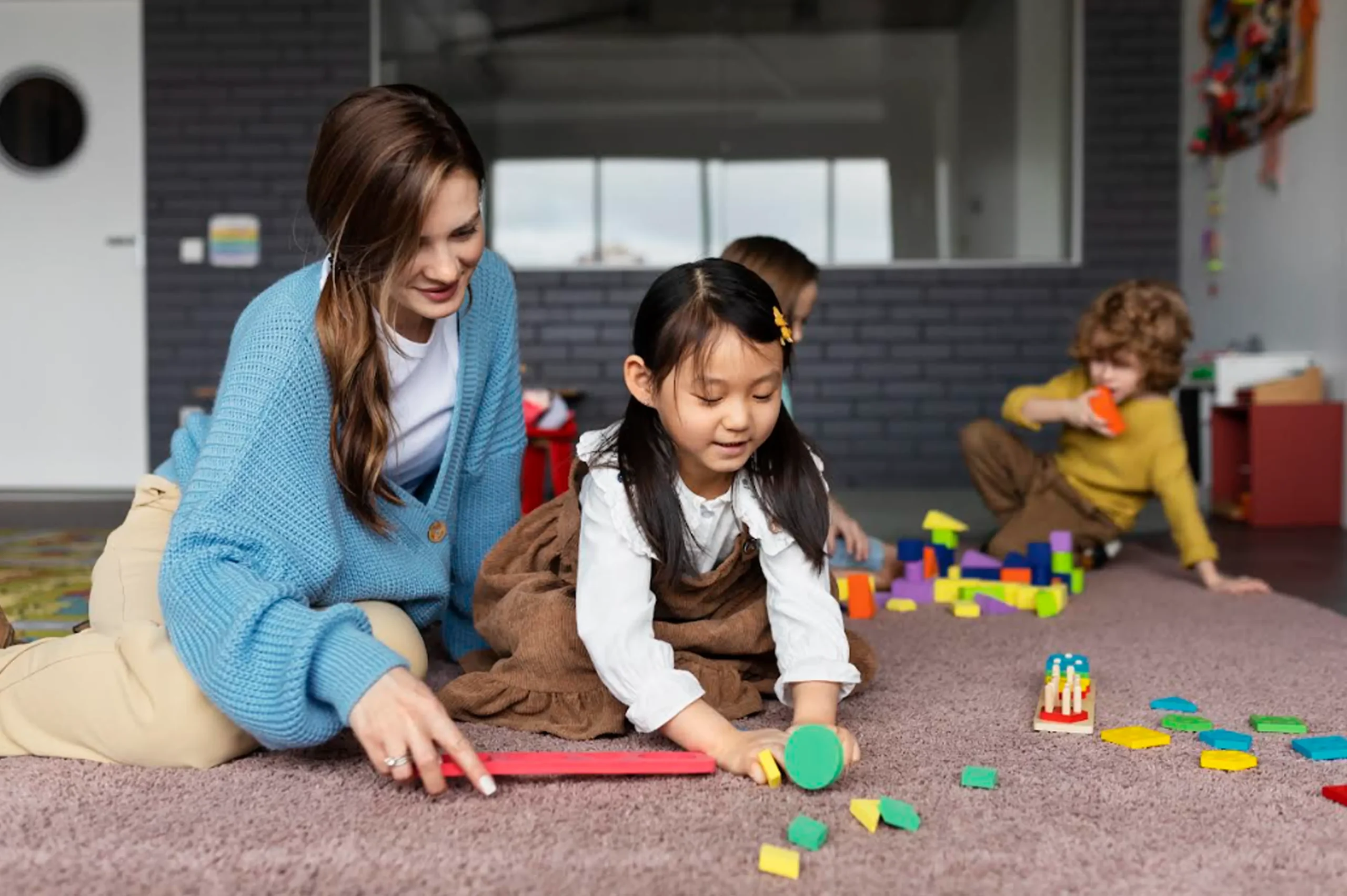
Montessori Education focuses on nurturing a child’s natural curiosity and independence. Instead of rigid timetables and teacher-led lectures, children learn through hands-on activities, exploration, and self-paced progress. Classrooms are thoughtfully prepared with age-appropriate materials that encourage problem-solving, creativity, and real-world skills.
In Malaysia’s multicultural and globally connected environment, this approach appeals to parents who value emotional intelligence, confidence, and adaptability alongside academics.
What Defines Traditional Schooling?
Traditional schooling follows a structured curriculum where all students progress at the same pace. Teachers lead the classroom, lessons are textbook-based, and assessments rely heavily on exams and grades. This model provides familiarity, discipline, and standardized benchmarks, which many parents appreciate.
However, children who learn differently or need individual attention may find it challenging to thrive in such settings.
Key Differences Parents Should Know
1. Learning Style
Montessori classrooms allow children to choose activities based on interest, fostering intrinsic motivation. Traditional schools follow fixed lesson plans where learning is often passive.
2. Pace of Learning
In Montessori environments, children progress when they are ready. Traditional schooling expects all students to meet the same milestones at the same time.
3. Role of the Teacher
Montessori educators act as guides, observing and supporting learning. In contrast, traditional teachers primarily instruct and evaluate.
4. Skill Development
Montessori learning emphasizes life skills, independence, collaboration, and critical thinking. Traditional education focuses more on academic performance and examinations.
Why Many Malaysian Parents Are Leaning Toward Montessori
Urban families in Malaysia are increasingly aware that future success requires more than good grades. Skills like adaptability, communication, and self-confidence are becoming equally important.
Parents notice that children in Montessori settings often:
- Show greater confidence and independence
- Develop stronger focus and problem-solving skills
- Enjoy learning rather than fearing assessments
- Build emotional resilience from an early age
Is Traditional Schooling Still a Good Option?
Yes—traditional schooling works well for children who thrive in structured environments and clear academic expectations. Some parents prefer it for its predictability, exam readiness, and alignment with national education pathways.
However, it’s important to ask whether structure alone supports your child’s unique personality, strengths, and learning style.
How to Decide What’s Right for Your Child
There is no one-size-fits-all answer. Consider:
- Does your child enjoy hands-on activities or structured instruction?
- Do they need flexibility or clear routines?
- Are you prioritizing holistic development or exam-oriented outcomes in early years?
Many parents in Malaysia find that Montessori-based learning during the early and foundational years builds a strong base, regardless of future schooling choices.
Frequently Asked Questions Parents Ask
Is Montessori Education suitable for Malaysian children?
Yes. Montessori principles adapt well to Malaysia’s diverse cultural and linguistic environment while supporting global competencies.
Will my child struggle later if they move to a traditional school?
Most children transition smoothly. Montessori learners often adapt quickly due to strong independence and learning confidence.
At what age should Montessori learning begin?
It is most effective from early childhood through primary years, when foundational habits and attitudes toward learning are formed.
Is Montessori only for preschoolers?
No. Montessori principles apply to primary education as well, supporting deeper understanding and responsibility.
How do I know if a school follows authentic Montessori practices?
Look for trained educators, prepared environments, mixed-age classrooms, and an emphasis on self-directed learning.
Final Thoughts
When comparing Montessori Education with traditional schooling in Malaysia, the better choice depends on your child—not trends or assumptions. What matters most is an environment where your child feels confident, curious, and capable.
Dreamtime Learning Hub supports families by blending proven Montessori principles with a nurturing, future-ready learning environment—helping children grow not just academically, but as confident individuals prepared for life.
To explore a modern, research-backed, and innovation-driven learning system, visit: https://dreamtimelearning.my/